Body Perceptions and Pain
“The great art of life is sensation, to feel that we exist, even in pain.” - Lord Byron
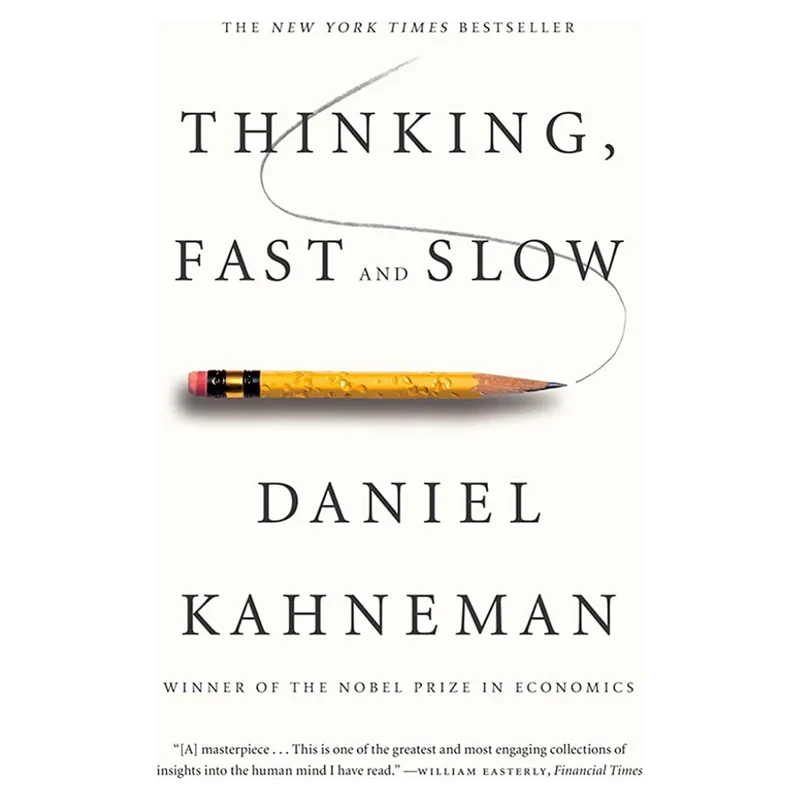
Daniel Kahneman has written a bestselling book called “Thinking Fast and Slow” (1). In this book Kahneman suggests that we have two selves operating on our ability to make decisions. One part of the mind is impulsive, automatic, intuitive, quick, remembering, and has no sense of voluntary control.
The second part of our mind according to Kahneman is effortful, computational, and is associated with subjective experience, choice and concentration. This part of the mind allocates attention to mental activities that demand it.
Where pain is concerned, Kahneman has found that the remembering impulsive part of the brain has more control than the effortful experiential part of the mind. This finding has implications for how we understand and mitigate pain because this part of the mind has no sense of voluntary control.
Hindsight Bias
It is sometimes said that “hindsight is 20/20”, which implies it is really accurate. Perhaps, but maybe not! Daniel Kahneman describes the fallibility and bias of hindsight as follows:
“Hindsight bias has pernicious effects on the evaluations of decision makers. It leads observers to assess the quality of a decision not by whether the process was sound but by whether its outcome was good or bad (2).”
The refutation of eye-witness testimony is just one example of the hit-and- miss reliability of our hindsight. Psychologists as expert witnesses have been demonstrating the idea that hindsight bias negates reliable testimony in court for years.
This means when pain is present there is a bias toward remembering the pain in its entirety, or its history, rather than what is being experienced in-the-moment, especially when the outcome pain is severe or chronic. This is not unlike the concept of separating the two selves of the “I” and the “Me” (3).
Separating “I” from “Me”
When being ‘Me’, my view of self is based entirely on my experiential history. We assess ourselves on what we have done and what has happened to us. Conversely, according to James, the ‘I’ self-view is thought to incorporate our self-awareness of the here-and-now. We are no longer in a past reality but have transitioned to the present.
The duality of the ‘Me’ and ‘I’ helps us understand how many of our feelings of self may be misrepresented by contaminating our present self with our historical self. When we are too focused on our past, we may not be able to be in the present.
Anorexia is an example of this possible misrepresentation. The anorexic person, when asked to identify their current body shape, will consistently say they are two or three body shapes larger than their current reality.
When this happens, the anorexic person is seeing only the ‘Me” or autobiographical self of being overweight. They appear to be unable to see the ‘I’ of their here-and-now awareness and true body shape.
Making the Adjustment
So, with our pain, how do we escape this outdated version of our past pain and experience the person we are now? Because when it comes to pain, our fast-thinking intuitive and remembering mind is controlling our experiencing and effortful mind, which does not mitigate our pain but instead reinforces it.

With chronic pain, one often compares the “old self” with the “new self”. Sometimes we even forget the new predicament and temporarily move the way we did pre-injury, only to pay the price of a flare-up of pain.
Today a diagnosis of adjustment disorder with mixed anxiety and depressed mood in the context of a chronic pain injury is frequently given to someone who has experienced significant change affecting their mental health and daily life. We see ourself as a completely different person, not even knowing ourselves any more from the individual we used to be.
With this experience one tends to isolate and no longer connect with those who knew us before. We no longer know ourselves and with the loss of extracurricular activities and leisure and social engagement, we no longer identify with ourselves.
The positive shift comes when we can accept the newness in our life and recognise our new boundaries and limitations. Getting stuck in the old life, not embracing the shift is detrimental. One needs to let go of the old and embrace the new with all of its challenges.
The New Venture
The door opens to the new once the grieving and the loss cycle is complete. This space invites acknowledgement and recognition of one’s differences. This is a state of acceptance one reaches with a chronic pain injury, only after the self feels it has attained a new identity. Plans change and goals open up, and the world now invites the newness to find its place within one’s sense of self.
To embrace one’s achievements no matter how small is key to claiming one’s identity. That there is purpose and meaning, rather than minimalizing one’s identity as being useless and helpless is crucial to one’s new being. The increase in building one’s new identity comes when you find your place and connection in the world.
References
Kahneman, D. (2011). Thinking Fast and Slow. Penguin, Random House UK.
Kahneman, D. (2016). Daniel Kahneman on the Danger of Hindsight. The Wall Street Journal, Nov. 21, 2016.
Wilson, B. (2025). Separating “I” from “Me”. Hoppers Crossing Psychology.
Counselling with a client-centred focus
Our experienced psychologists work on an individual need’s basis, creating a safe, relaxed and welcoming space, where you can feel free to be yourself. To book your in-person session, please reach out to our friendly team today.
Contact Us